

Intermittent Fasting - The Basics
Today's modern world seems purpose-built to throw off our circadian rhythms—the natural, daily rhythms of your body, mind, and behaviour that dictate everything from when you eat to when you sleep. Influences like artificial lighting, odd work shifts, lots of screen time, and 24-hour access to food all wreak havoc on these natural, daily rhythms of body, mind, and behaviour that dictate everything from when you eat to when you sleep. So why not realign our eating habits to match those buried circadian rhythms?
That's one snapshot of the prevailing logic behind intermittent fasting, which enthusiasts pursue for weight loss, improved energy, or simply resetting their daily eating habits. Intermittent fasting has also gained popularity as a dietary strategy that lets you eat whatever you want, at least on some days out of the week, with the other days allocated to a restricted calorie count. But as always, finding the best weight loss or dietary strategy for you boils down to choosing what suits your lifestyle and body the best. If you're trying out intermittent fasting, here are seven tips to help you get started and enjoy the best results. For an Australian audience looking to pair intermittent fasting with calorie-smart eating, Youfoodz weight-loss meals can take the guesswork out of feast-day portion control.

1. Consult With Your Doctor First

2. Identify Personal Goals
What's your motivation for pursuing intermittent fasting? According to an analysis of animal and human studies published in the New England Journal of Medicine, periodic flipping of the "metabolic switch" to a fasting state can improve some measures of health. These include blood pressure, heart rate, glucose regulation, and abdominal fat loss. That's independent of whether intermittent fasting helps you lose weight, too. All of these are excellent goals to set—and clearly defining your personal goals can help you succeed in any new eating plan.
First off, having a clearly defined goal makes it possible to measure your progress. Second, having that goal in mind can help you choose an intermittent fasting plan that suits your lifestyle. And finally, early clinical data actually indicates that some intermittent fast cycles might be better for achieving particular goals like improved insulin sensitivity and blood pressure.

3. Choose the Right Type of Intermittent Fasting for You
Some of the most popular approaches to intermittent fasting have the eating/fasting cycle taking place within a single day, while others space it out over the course of a week. However, every intermittent fasting plan shares a few key characteristics:
- Each plan defines regular time periods for eating and fasting.
- You never go entirely without food for a whole day, with one exception that we'll get into soon.
Most plans fall within a few general categories. If you can choose a category that works well with your lifestyle and personal goals, you'll increase your odds of success and an overall enjoyable experience.

4. Figure Out Your Calorie Needs
How many calories should you eat on your "feast" (normal eating) days and your "fasting" (restricted intake) days? The particulars of each plan vary, with many opting for unrestricted food intake on your feast days. After all, that's part of the appeal of intermittent fasting: You only have to pay attention to what you eat a few days out of the week.
But most of the studies that indicate possible health or weight loss benefits to intermittent fasting are based on a set calorie count during the feast days. The Australian Dietary Guidelines is a great resource for estimating how many calories you need based on your age, gender, and activity level.

5. Start Small — and Keep It Intermittent
You've probably heard of people crashing and burning when they try a new diet. That's often because they made such big, sudden changes that they just couldn't keep it up over time. It's also common to lose any short-term gains when you snap back to old habits, or maybe even end up farther from your goals than where you started.
Happily, there's an easy fix: Start small and keep tweaking your habits as you continue. For example, even if your ultimate goal is to fast completely on alternating days, you could start by just reducing your calorie intake or time-limiting your eating periods on those fasting days. Next, you would gradually reduce the eating time period or calorie allowance for those days until you hit your goal.

Also, it's tempting to imagine that if intermittent fasting is helpful, even more severe fasts must be better. Right? Not necessarily. Most scientists and medical professionals who've evaluated intermittent fasting plans cite the idea of flipping your "metabolic switch" back and forth between fasting and fed states. They theorise that this change of state—and limiting the stress of the fasting state to the short term —is what produces health benefits.
Although the science around the benefits of intermittent fasting continues to evolve, it's well-understood that long-term fasts place definite and prolonged stress on your body—usually producing the exact opposite of the benefits you might hope to gain from intermittent fasting. So keep your eating plan short-term and focus on your personal goals and long-term health.

6. Stay Hydrated
You've probably heard this before, but it's worth saying again: water is essential for the tip-top function of every one of your organs, and staying properly hydrated becomes even more important if you're limiting your food intake in any way. There's a more tangible reason to drink plenty of water and other hydrating beverages, especially on fasting days: it can help you feel fuller and curb the edge of any hunger you might be experiencing.
However, don't think that all beverages are created equal. Consider avoiding, or at least limiting, caffeinated beverages —especially on fast days— because caffeine can act on your kidneys like a diuretic and leave you dehydrated.
And of course, the problem with sugary drinks, including soft drink and fruit juices, is that they contain a surprising number of calories but little or no fibre to stabilise your blood sugar levels. It's a real comedown to discover that you've drunk away most of your day's entire calorie allowance, then hit the figurative wall of a sugar crash. Instead, steer yourself toward the gold standard for hydration—water—or consider spicing up your drinking game with herbal infusions, a few basil or mint leaves in your water, a twist of citrus fruit to give it extra flavour, and so on.
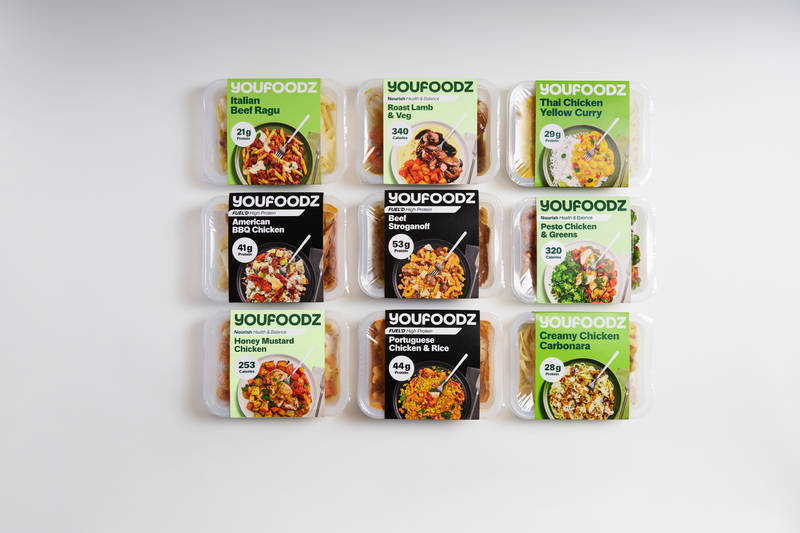
7. Make a Meal Plan
Frequently Asked Questions

Is intermittent fasting safe for Australians?
For most healthy adults, intermittent fasting is generally considered safe when practised sensibly. However, the Australian Dietary Guidelines do not explicitly endorse fasting protocols, and people with diabetes, heart conditions, a history of eating disorders, or who are pregnant or breastfeeding should consult their GP or an Accredited Practising Dietitian (APD) before starting. An APD can be located via Dietitians Australia and will tailor a plan to your individual health profile.
Time-restricted eating, particularly the 12:12 or 14:10 schedule, is widely regarded as the easiest entry point. You eat within a 12 to 14 hour window and fast for the remainder, which often happens naturally overnight. More advanced protocols like 16:8, 5:2, or alternate-day fasting can be introduced gradually. Starting small lets you assess how fasting affects your energy, sleep, and mood before committing to longer fasts.
Can intermittent fasting help with weight loss?
Intermittent fasting can support weight loss when it produces a sustained calorie deficit. The mechanism is straightforward: limiting your eating window typically reduces total daily intake. Research summarised by the Harvard Medical School also points to potential improvements in insulin sensitivity and abdominal fat. That said, results vary, and pairing fasting with nutrient-dense meals — such as those listed under the Eat For Health guidelines — is critical for sustainable outcomes.
What can I drink during the fasting window?
Water is the gold standard. Plain still or sparkling water, plain black coffee, and unsweetened tea are widely accepted as not breaking a fast because they contain virtually no kilojoules. Avoid soft drink, sweetened cordials, fruit juice, and milky coffees during the fasting window — these contain sugars and calories that interrupt the fasted state. Staying hydrated also helps reduce hunger pangs and headaches that can occur in the early days of fasting.
How long does it take to see results from intermittent fasting?
Most people notice changes in hunger patterns and energy within one to two weeks. Visible changes in body composition typically emerge after four to eight weeks of consistent practice combined with sensible food choices. The Australian Dietary Guidelines emphasise long-term, sustainable habits over short bursts of restriction, so judge intermittent fasting on how well it fits your lifestyle rather than expecting rapid transformations. .

Healthy Eating, Made Simple
Get healthy, chef-prepared meals delivered to your doorstep. Explore Youfoodz Meals