


In the bustling maze of diet trends, the Paleo diet stands out with its unique back-to-basics philosophy. It's a lifestyle choice that goes back to our ancestral roots. This diet is a throwback to the days when our meals were dictated by nature's bounty, focusing on foods like lean meats, fresh fruits, and vegetables while steering clear of the processed foods that dominate today's shelves.
In this article, we dive into what the Paleo diet really is, debunking myths and shedding light on its potential benefits for modern-day wellness.
What Is the Nutritional Profile of Rice?
Did you know that the type of rice you choose can make a big difference in its nutritional content? We've got some common varieties, like white, brown, black, and wild rice. They may all look similar, but they each bring something unique to the table. Now, when it comes to macronutrients, rice primarily packs a punch with carbohydrates. However, it also sneaks in small amounts of protein and fats, which are great for fitness enthusiasts.
White rice is undoubtedly the most popular one out there, but here's the thing: it's had some of its bran and germ removed. That means it loses out on some dietary fibre and certain nutrients. Brown and black rice retain all those wonderful bran and germ parts, giving you a more complete package. This means they offer a richer blend of essential vitamins and minerals, making them a win for your overall micronutrient intake. Remember, the choice is yours, but it's always good to know the facts about these different types of rice.
What Is the Caloric Value and Glycemic Index of Rice?
When trying to lose weight, it’s important to understand the caloric value of food. Calories in, calories out, right? Rice's primary caloric content comes from its carbohydrates, but not all carbs are created equal. This is where the Glycemic Index (GI) comes into play—it measures how quickly carb-rich foods affect blood sugar levels. White rice usually has a higher GI, which can spike blood sugar, while brown rice, with its intact bran and germ, has a lower GI. This means slower blood sugar increases and feeling fuller longer.
What Are the Benefits of Including Rice in a Diet?
Rice might not seem like much when superfoods and complex diet plans are flooding the market and fitness blogs. But this staple brings benefits that can’t be ignored in the conversation of weight management.
Satiety and Calorie Control
One of the most profound advantages of whole grain varieties like brown and black rice is its ability to make you feel full. This can help people regulate their calorie intake, helping them achieve real results without fuss.
Versatility in Healthy Recipes
Rice is a versatile ingredient that can be used in a wide range of recipes, which is why we love it at Youfoodz. Whether you're making salads, stir-fries, or soups, rice can be a delicious addition that complements other healthy ingredients and adds flavour and bulk to your meals.
Its adaptability and convenience make it a great choice for any kitchen, but especially for those fitness lovers out there.
Natural Energy Source
At the heart of our brand is the promise of helping individuals take on their day, and rice offers sustained energy. This is the kind of energy that sticks around, especially if you choose whole-grain rice.
This energy release can be especially beneficial for those seeking natural fuel for their workouts or daily routines, and consistent energy release means less impulsive sugary snacking throughout the day.
Concerns With Overconsumption
While rice has several benefits, it's equally important to be mindful of the potential drawbacks. While rice itself can be an excellent part of your diet plan, overconsuming it can lead to some trouble:
Blood sugar spikes: High-GI varieties, like white rice, can spike your blood sugar. This can impact energy levels and pose long-term health concerns, especially for those with insulin sensitivities. Plus, you’ll likely feel an afternoon slump that will definitely not help your goals.
Reduced nutrient diversity: Relying too heavily on any single food source, including rice, could lead to missed opportunities for a more diversified nutrient intake. So, instead of a bowl of rice (which would likely be quite boring), opt for colourful stir fry or grain bowls.
Potential for weight gain: While rice can help you feel full, consuming too much of it, especially without balancing with other macronutrients, can lead to a calorie surplus. This could hinder your weight loss progress.
Choosing the Right Rice to Support Weight Loss
Throughout history, various rice varieties have fed people worldwide. However, it’s important to understand their differences when focusing on weight loss.
White rice: Often favoured for its neutral flavour, it's quickly digestible, which might not keep you full for long periods.
Brown rice: It naturally offers more fibre, supporting prolonged feelings of fullness and potentially assisting in calorie control.
Wild rice: Despite being a type of grass, its notable protein content makes it a unique choice for those aiming to balance energy intake and muscle preservation.
Black rice: Historically prized and less common, it brings antioxidants and a balanced energy release, making it both a nutritious and weight-conscious choice.
Red rice: Fermented red rice has been linked to heart health due to its potential to support healthy cholesterol levels, making it a healthful addition to diverse dishes.
Basmati rice: Known for its fragrant aroma, it has a medium to low glycemic index compared to other white rice varieties, resulting in slower sugar absorption into the bloodstream.
Jasmine rice: Originating from Thailand, this long-grain variant is aromatic and soft when cooked. However, its higher glycemic index means it might raise blood sugar levels more rapidly.
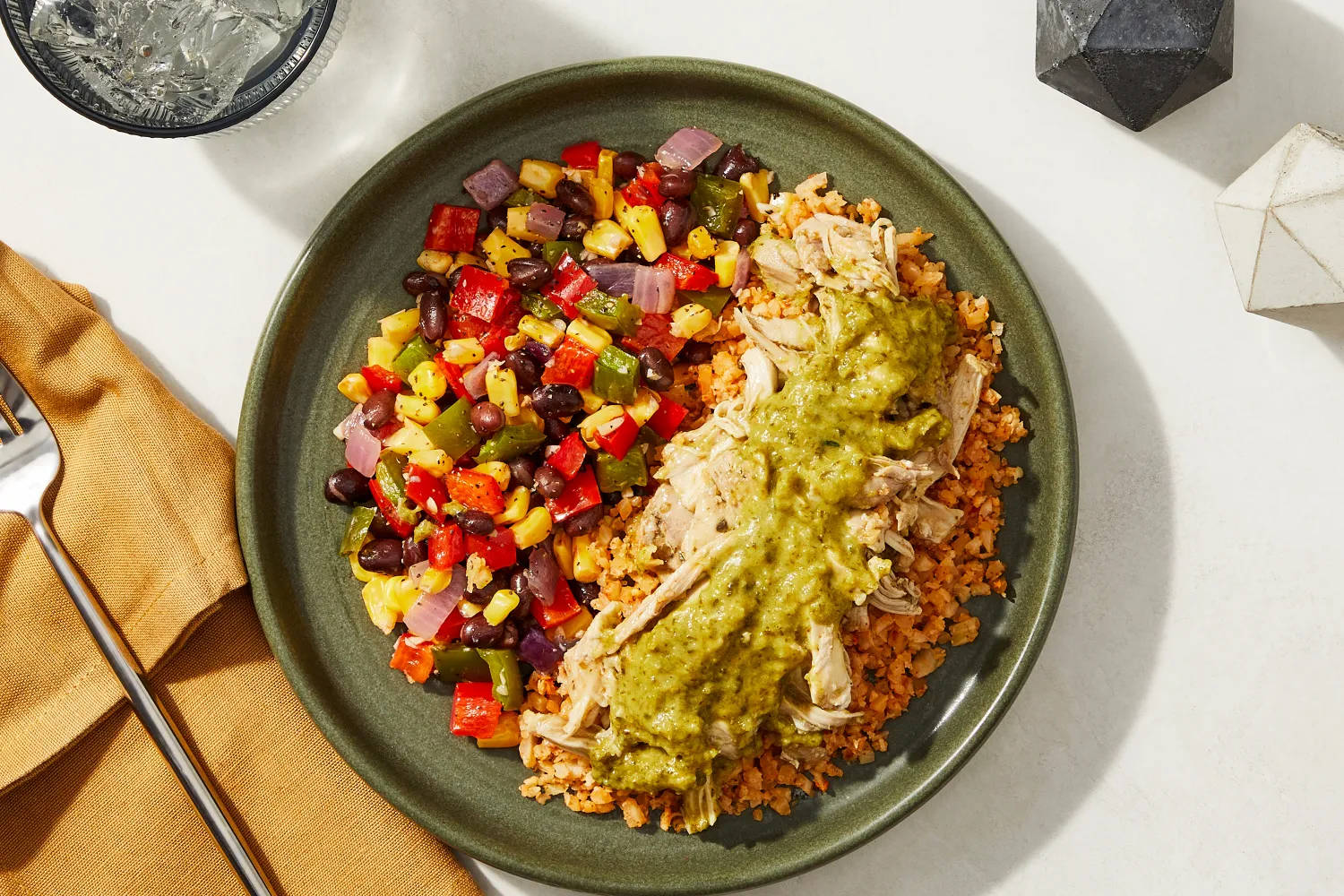
Cauliflower "rice": As low-carb diets gained traction, this cauliflower-based alternative emerged as a front-runner. Its low-calorie profile and versatility, as showcased in many of our prepared meals.
Tips for Incorporating Rice Into a Healthy Diet
The journey to weight loss and maintaining a healthy lifestyle is complex—but it can feel easier with a few tips. Here are some effective strategies to utilize rice in your fitness plans:
- Portion size is paramount: The cornerstone of any weight management plan is portion control. Start with a half-cup of rice and adjust based on your body's energy needs and hunger cues. Remember, it's about balance—we know rice can be downright delicious, but maybe don’t eat multiple bowls full.
- Opt for whole grains: As mentioned, whole grains like brown, black, and wild rice are abundant in B vitamins and other nutrients. These can keep you full longer and won’t spike your blood sugar. Goodbye afternoon slump!
- Pair with veggies: To optimise the nutrient content of your meal, complement your rice dishes with a colourful array of veggies. Vegetables not only increase the high fiber content, which is beneficial for digestion, but they also enhance the overall health benefits of the meal. Plus, rice would be boring without them.
- Mind the cooking methods: How you cook rice can actually impact its nutritional value. Steaming or boiling rice can retain more of its nutrient content compared to frying. Moreover, rinsing white rice before cooking can reduce its arsenic content, enhancing its safety profile.
- Gluten-free alternative: For those with gluten sensitivities or celiac disease, rice offers a gluten-free alternative to many grains. It provides an opportunity to diversify one's diet without the concerns of gluten-related health issues.
- Understand its role in your diet: While rice offers numerous health benefits, remember it's just one component of a diverse, healthy diet. Diversify your food sources to ensure you're obtaining a range of nutrients and benefits.
- Stay hydrated: As rice is high in fibre, especially whole grain varieties, drinking plenty of water can aid digestion and prevent potential discomfort.
- Stay active: Combining a well-balanced diet with physical activity can amplify the health benefits you derive from healthy foods. Being active not only complements your dietary efforts but also supports overall well-being. And at Youfoodz, we’re all about supporting your fitness journey.
The Verdict: Can Rice Be Part of a Weight Loss Diet?
This humble grain has a global presence and a whole range of nutritional benefits. But when it comes to weight loss, making informed choices is key.
Here's the deal: If you enjoy rice in moderation and pair it with lean proteins and veggies, whole grain options like brown or wild rice can actually support your weight loss goals.
And the best part is, rice comes in various forms, from fragrant basmati to incredible black rice packed with antioxidants. This means you have plenty of options to choose from based on your dietary preferences.
But hey, we get it; navigating these choices can be a bit of a challenge. That's where Youfoodz steps in. We know our stuff when it comes to nutrition and finding the perfect balance. We specialise in crafting meals that are not only delicious but also designed to align with your health goals.
With us, you can rest assured that your meals will both satisfy your taste buds and fuel your body. We're here to make rice a valuable and constructive part of your diet.
Frequently Asked Questions

Is rice good for weight loss?
Yes — in sensible portions. Rice isn’t fattening by itself; what matters is total calorie intake. Whole-grain varieties like brown, black and wild rice are higher in fibre, which supports fullness and steadier blood sugar. The Australian Dietary Guidelines recommend making at least half your grain choices wholegrain. Start with a half-cup cooked serve and pair with lean protein and plenty of veg.
Which rice is best for weight loss in Australia?
A half-cup (roughly 90–100g) of cooked rice is a sensible starting portion for weight loss, providing around 110–120 calories and 25g of carbs. Fill the rest of your plate with lean protein and vegetables to stay full on fewer calories. Adjust based on activity level and hunger cues, and check your Accredited Practising Dietitian if you have specific targets.
Brown rice has the edge for weight loss. It retains the bran and germ, so it offers more fibre, B vitamins, magnesium and a lower glycemic index than white rice. That means slower blood sugar rises, longer-lasting fullness, and typically better appetite control. White rice isn’t off-limits — pair it with protein and veg to soften the GI impact.
Should I cut rice out completely to lose weight?
No. There’s no need to cut rice out to lose weight — cutting a whole food group can make eating harder to sustain and may reduce fibre and B-vitamin intake. If you’re weighing up a low-carb approach for specific reasons, speak with an Accredited Practising Dietitian via Dietitians Australia.

Healthy Eating, Made Simple
Want to make things easier? Let Youfoodz do the work with a range of chef-prepared, low-carb meals delivered straight to your door.