

Are you looking to embrace the world of bodybuilding? Well, before you buy a ton of gear and sign a contract with the 24-hour gym down the road, there’s one thing you need to plan for first: your diet. It’s a common mistake many aspiring bodybuilders make to overlook the importance of their diet.
Fortunately for you, we here at Youfoodz are all about providing our visitors with the information they need to take control of their fitness. In this guide, we’ll tell you everything you need to know about creating the perfect bodybuilding diet, including nutrients to include, foods to avoid, the power of supplements, and how our meal plans can help.
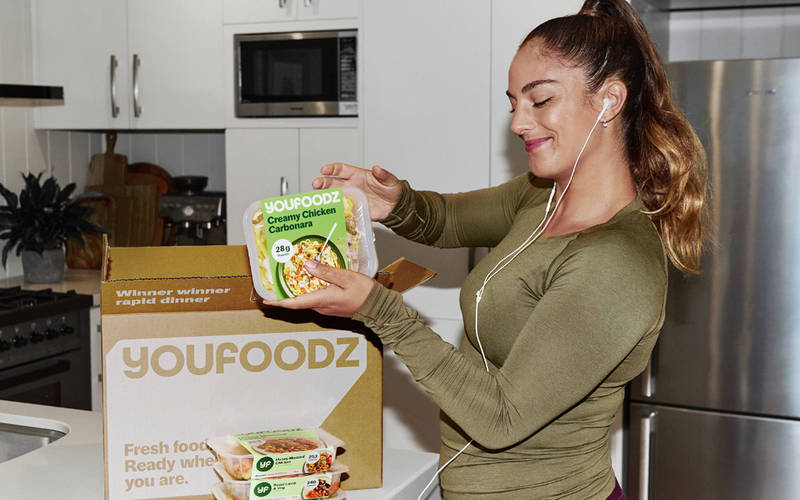
Why Is Diet Crucial for Bodybuilding?
Bodybuilding is more than just lifting weights nonstop and clocking massive hours at the gym. Have you ever heard the saying that “abs are made in the kitchen”? Well, it’s not just a catchy slogan that people say for the fun of it. The truth is that your diet plays a significant role in your bodybuilding journey. Here’s the short version: if you want to build muscle mass, burn body fat, and enhance your overall athletic performance, what you eat matters just as much as how often you exercise.
Without the right fuel, your body can’t perform at its best. It’s as simple—and as complex—as that. Your body is a finely tuned machine, and what you feed it matters a lot. Now that we understand the importance of diet for bodybuilding, we can dive a little deeper into the details of how to craft the perfect one for you.
What Are the Essential Nutrients Needed for Bodybuilding?
Bodybuilding is just as much about fuelling your body with the right nutrients as it is about pumping iron. Here is a rough breakdown of the “macros” and “micros” that you’ll need to properly fuel your bodybuilding journey:
Protein
Let's start with arguably the most important macronutrient: protein. You’ve probably heard that protein is the building block of your muscles. Well, that’s absolutely true.
Whenever you work out, you’re actually creating tiny tears in your muscle fibres. Protein is what your body uses to repair these tears, allowing them to grow bigger and stronger. Most dietary recommendations suggest about 0.8 grams of protein per kilogram of body weight. However, as a bodybuilder, you’re going to need much more protein than that to gain muscle.
Therefore, you should probably aim for somewhere between 1.6 and 2.4 grams of protein per kilogram instead. But remember, everyone’s body and bodybuilding goals are different. It’s always a good idea to consult with an Accredited Practising Dietitian (APD) to figure out what’s best for you.
Carbohydrates
Next up are carbohydrates, your body's primary source of energy. Carbs are broken down to become glucose, which is the fuel that powers your workouts, so you’ll need to consume quite a lot of them to keep the gas tank above empty.
We’re talking about somewhere between 4 and 10 grams per kilogram of body weight per day. Once again, individual needs can vary significantly, so don’t hesitate to seek professional advice if you have any questions or concerns.
Now, it’s important to note that not all carbs are created. Complex carbohydrates, like those found in whole grains, legumes, lentils, and vegetables, are slowly digested, giving you a steady stream of energy. Simple carbohydrates, like the ones found in lollies, soft drink, white rice, and pasta, are basically devoid of nutritional value. They usually provide little to no energy support, but that doesn’t prevent them from often having a large number of calories hidden away.
Fats
Fat is the last of the macros and easily the most misunderstood. Don't let the word "fat" scare you. Contrary to popular belief, fat isn’t bad for you.
In fact, healthy fats such as omega-3 fatty acids play a crucial role in hormone production and overall health. They also provide energy, support brain function, and help your body absorb vitamins.The key thing to remember is that not all fats are the same. Just like with carbs, there are different types of fats; some of them are much better for you than others. There are basically two types of fat: unsaturated and saturated.Unsaturated comes in the form of monounsaturated or polyunsaturated and is good for you. Saturated (along with trans fat) is the type that you want to avoid.
Generally, fats should make up about 20-35% of your total daily calorie intake; the more unsaturated fat, the better.
Vitamins
Vitamins aren’t responsible for building muscles directly, but they’re absolutely a key part of the support team that operates behind the scenes. All of the major vitamins can be beneficial on your bodybuilding journey:
- Vitamin A fuels your workouts by supporting protein synthesis and glycogen production, the body's stored form of energy.
- B vitamins are your muscles' best friends, assisting in energy production and muscle development.
- Vitamin C is a muscle recovery champion, aiding in testosterone synthesis and soothing post-workout muscle soreness.
- Vitamin D supports bone strength and muscle function, fostering a sturdy foundation for your bodybuilding journey.
- Vitamin E shields your cells during intense workouts, acting as an antioxidant and cellular bodyguard.
The ideal intake varies for each vitamin, but a balanced diet combined with a multivitamin supplement can help ensure you hit the mark. Always remember, more isn't necessarily better, so consult a healthcare professional before starting any new supplement regimen.
Minerals
Minerals aren’t something that you see on the periodic table—they're also essential for your muscle function and overall health:- Iron helps deliver oxygen to your muscles, supporting their function during workouts.
- Calcium is vital for muscle contraction, ensuring your muscles function optimally during workout sessions.
- Magnesium aids in muscle relaxation, helping to soothe cramps and spasms after intense workout sessions.
- Zinc plays a role in hormone production, immune function, and protein synthesis.
Just like vitamins, the ideal daily intake varies for each mineral, so it's best to consult a healthcare professional. But by including a variety of foods in your diet, like lean meats, dairy, legumes, and whole grains, you can help ensure you're getting these essential minerals.
Hydration
Last but certainly not least, let's talk about hydration. Water is the essence of life and is key to optimal muscle function and recovery. It aids in nutrient transport, regulates body temperature, and can even help reduce the risk of muscle cramps.So, how much water should you be drinking? A good starting point is eight glasses a day. But if you're working out intensely or sweating a lot, you'll need more to replace the fluids lost.
A good rule of thumb is to drink enough so that your urine is light yellow. And remember, thirst isn't always the best indicator of hydration, so don't wait until you're thirsty to take a drink.
What Foods Should Be on a Bodybuilder's Meal Plan?
Turkey or chicken breast: High in protein and low in fat, they're the perfect fuel for muscle growth and recovery.
Lean beef: Packed with protein, iron, and B vitamins to help you bulk up in a healthy way.
Salmon or tuna: These fatty fish are rich in protein and omega-3s, which aid in muscle recovery and growth.
Eggs or egg whites: Packed with protein and essential amino acids, they're an excellent choice for muscle repair and growth.
Greek yoghurt: With its high protein content and gut-friendly probiotics, it's a muscle-building superstar.
Cottage cheese: High in casein, a slow-digesting protein that's perfect for muscle recovery.
Quinoa: This whole grain packs a protein punch and provides slow-releasing carbs for sustained energy.
Brown rice: A great source of complex carbs to fuel your workouts and aid in recovery.
Whole grain bread: Provides complex carbs for energy and is a good base for protein-packed sandwiches.
Broccoli and spinach: These green veggies are packed with vitamins and minerals, supporting overall health.
Sweet potatoes: These nutrient-dense tubers provide carbs, fibre, and a host of vitamins.
Avocados: Packed with healthy fats and fibre, they're great for overall health and satiety.
Black beans: A plant-based protein source that's also rich in fibre and complex carbs.
Almonds: These nuts are rich in protein, healthy fats, and fibre, making them a great snack.
Peanut butter: A delicious source of protein and healthy fats, perfect for adding calories for bulking.Olive oil: Great for cooking or dressings, it's rich in heart-healthy monounsaturated fats.
Raspberries and blueberries: Antioxidant-rich fruits that can aid in muscle recovery.
Flaxseeds: A good source of plant-based protein and omega-3s, they're great for adding to shakes or yoghurt.
Oats: A slow-digesting carb source that's perfect for sustained energy and satiety that can support weight loss.Granola: A dense source of complex carbs; just be sure to choose varieties low in added sugars.
What Foods Should Bodybuilders Avoid?
In many cases, knowing what you shouldn’t do is more important than knowing what you should do. While it's crucial to know what to eat, it's equally important to know what to avoid.
Here are just a few examples of foods that you should leave off your diet plan:
Sugary beverages: Drinks like soft drink and sports drinks often have a very high-calorie count and contribute to weight gain without providing any nutritional benefits.
Alcohol: While moderate consumption may not hurt much, excessive drinking can hinder muscle growth and lead to weight gain.
Deep-fried foods: Foods like fried chicken or fries are usually high in unhealthy fats and empty calories and can contribute to unwanted weight gain.
Processed meats: Items like hot dogs, sausages, and bacon often contain high levels of sodium and preservatives, which aren't ideal for a bodybuilding diet.
Pastries and sweets: Foods like cookies, cakes, and lollies are high in sugar and unhealthy fats and offer little nutritional value.
White bread: This refined grain is low in fibre and can cause spikes in blood sugar levels.
Sugary cereals: They're often high in added sugars and low in protein and fibre, making them a poor choice for bodybuilders.
High-sodium foods: Excessive sodium can lead to water retention and high blood pressure.
How Can Youfoodz Help You Achieve Your Bodybuilding Goals?
Clearly, a ton of work goes into crafting a bodybuilder diet. If you’re reading this and feeling overwhelmed, then don’t panic because Youfoodz is here for you.
You see, at Youfoodz, we believe that fitness starts with food. That's why we're committed to providing fresh, chef-prepared meals that take the guesswork out of eating healthy. No fluff, no unnecessary additives, just wholesome, nutritious food that's ready to eat whenever you are.
Between your workouts, your job, and your personal life, who has time to plan, shop for, and prepare nutritious meals? That's where Youfoodz comes in.
We deliver our tasty, nutrient-dense meals straight to your door. All you need to do is heat them up. It's an exceptional level of convenience without compromising on your nutritional needs. We also understand that bodybuilders have specific nutritional needs. High-protein sources, balanced carbs, healthy fats, and nutrient-dense veggies are the cornerstones of a bodybuilder's diet. And that's exactly what we pack into our meals.
Our meals are meticulously planned and prepared by our culinary experts and dietitians, ensuring you get a balanced meal that aligns with your bodybuilding goals. Whether you're looking to bulk up, lean out, or maintain your current physique, we've got a meal plan that suits your needs.
Frequently Asked Questions

Meal prep isn't strictly essential, but it makes hitting your protein, calorie and macro targets dramatically easier and more consistent. Pre-portioned meals remove guesswork, prevent under-eating on busy days, and reduce the temptation of takeaway. If you don't have time to cook every meal yourself, ready-made services like Youfoodz deliver chef-prepared meals across Australia with calorie and protein counts on every label, which makes tracking against your bulking or cutting plan straightforward.

Healthy Eating, Made Simple
Get healthy, chef-prepared meals delivered to your doorstep. Explore Youfoodz Meals