


Plant-Based Protein Sources
It’s not an overstatement to say that protein is critically important. Protein plays a role in creating and maintaining every cell in your body. It helps build your bones, muscles, cartilage, skin and tissue, oxygenate your body, digest your food, regulate your hormones, and more.
If you’re looking to add more protein to your diet, a quick Google search pulls up results like meat, dairy, and eggs. For vegetarians and vegans, however, you may need to be more intentional about adding protein to your meals. It’s not difficult or impossible, it just takes a little extra pre-planning. Here are some of the best plant-based protein sources and how to incorporate them into your diet.
What Is Plant Protein?
Experts often recommend animal proteins because they're classified as complete proteins. Protein contains over twenty amino acids (molecules that form proteins) and there are nine of these acids—called the essential amino acids—that we have to get from food. Animal proteins contain all nine, making them complete proteins.</p> All animal proteins are complete proteins. If you eat meat and other animal products, it’s easy to grab a chicken breast or a scrambled egg and feel assured that your meal contains complete protein. If you’re a vegan or vegetarian, however, you may want to research different protein sources to make sure you’re getting those nine amino acids your body needs.</p>
How Much Protein Do You Need?
If you aren’t sure exactly how much protein you need, ask your doctor or work with a dietitian. In most cases, however, as long as you include at least one solid protein source in each meal or snack, you should be good to go.</p
Vegan and Vegetarian Sources of Plant-Based Protein
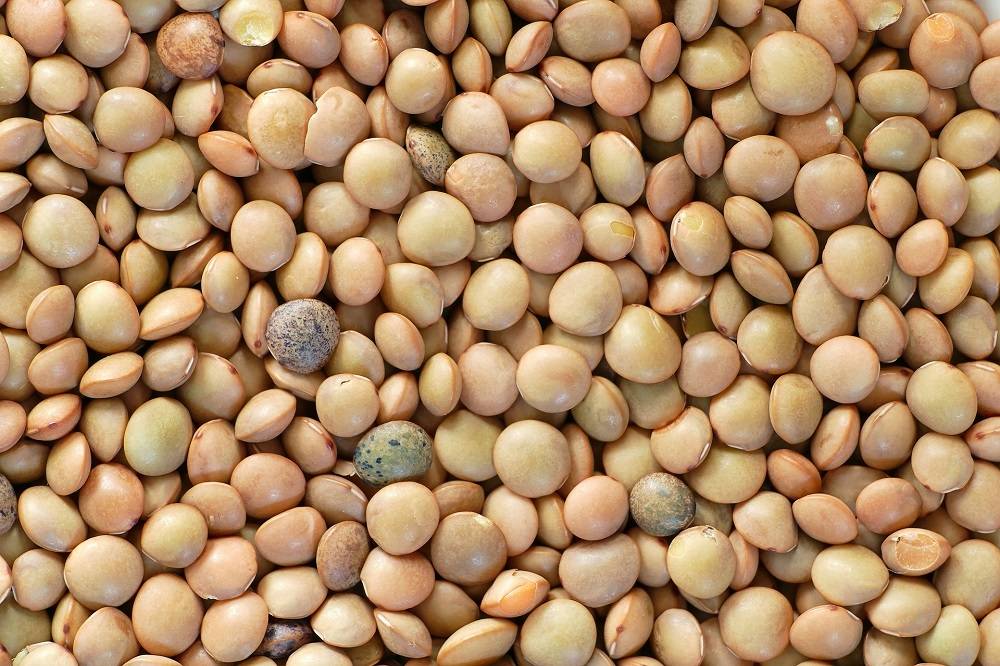
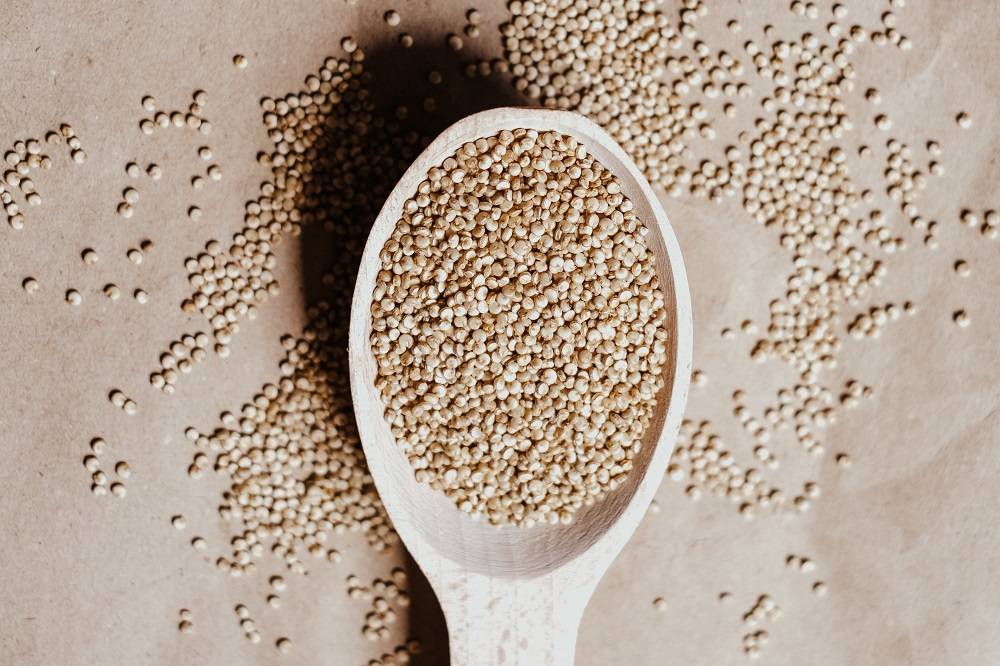
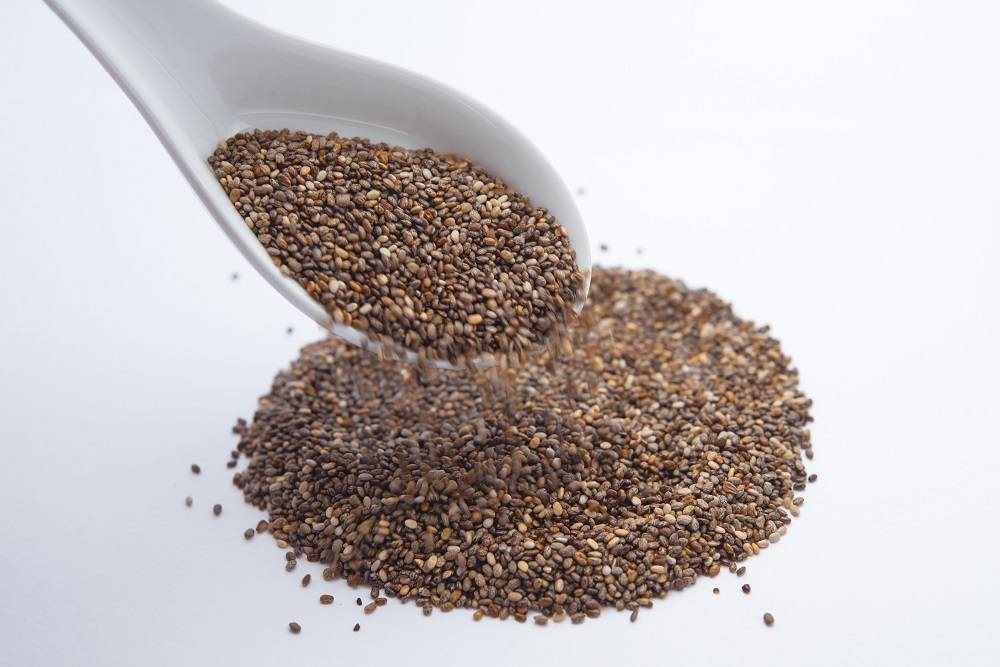
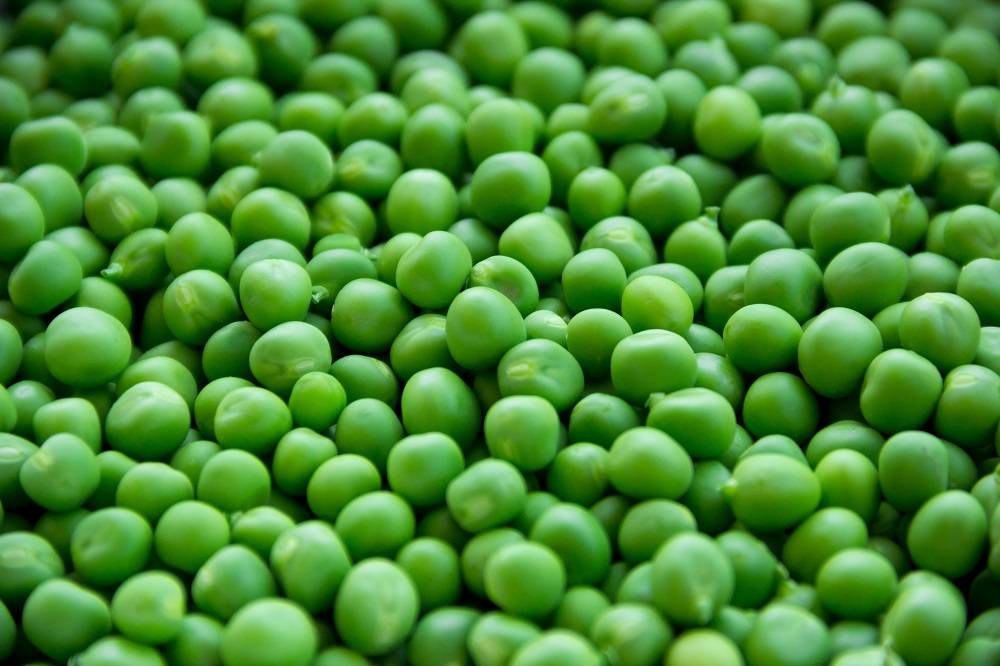
If you’re vegan or vegetarian, your protein options are somewhat limited. You may need to get creative as you seek to meet your daily fulfillment of protein. Here are a few excellent sources of vegetarian and vegan protein to incorporate into your next meal.
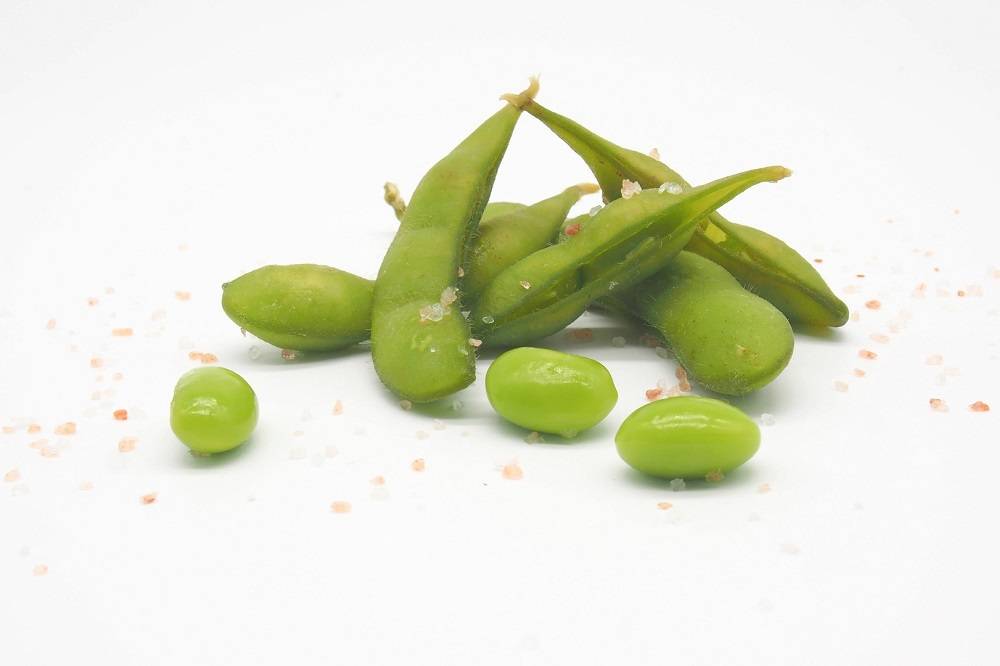
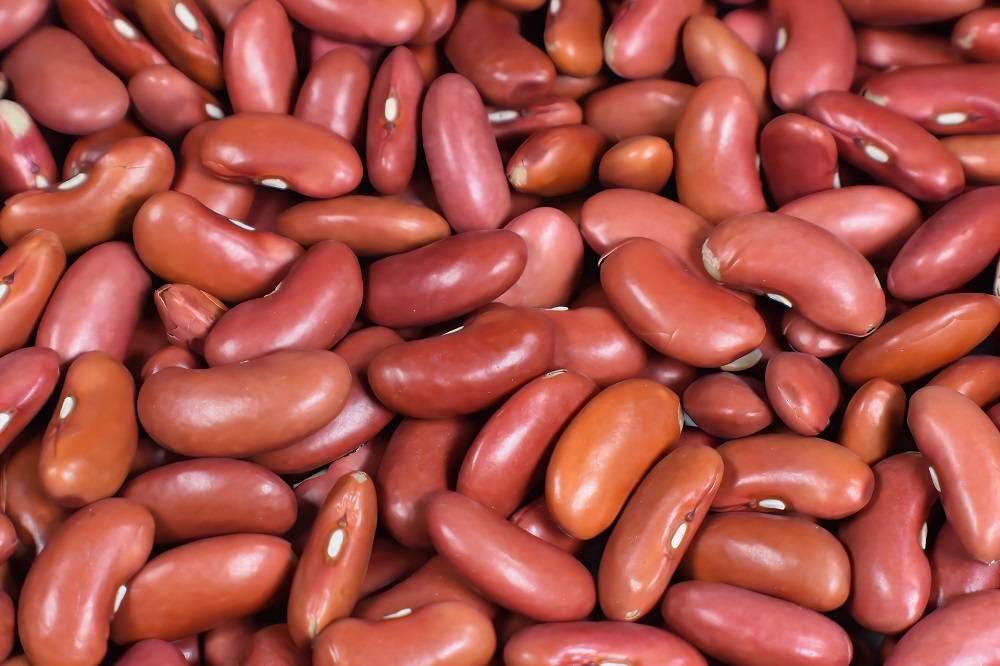
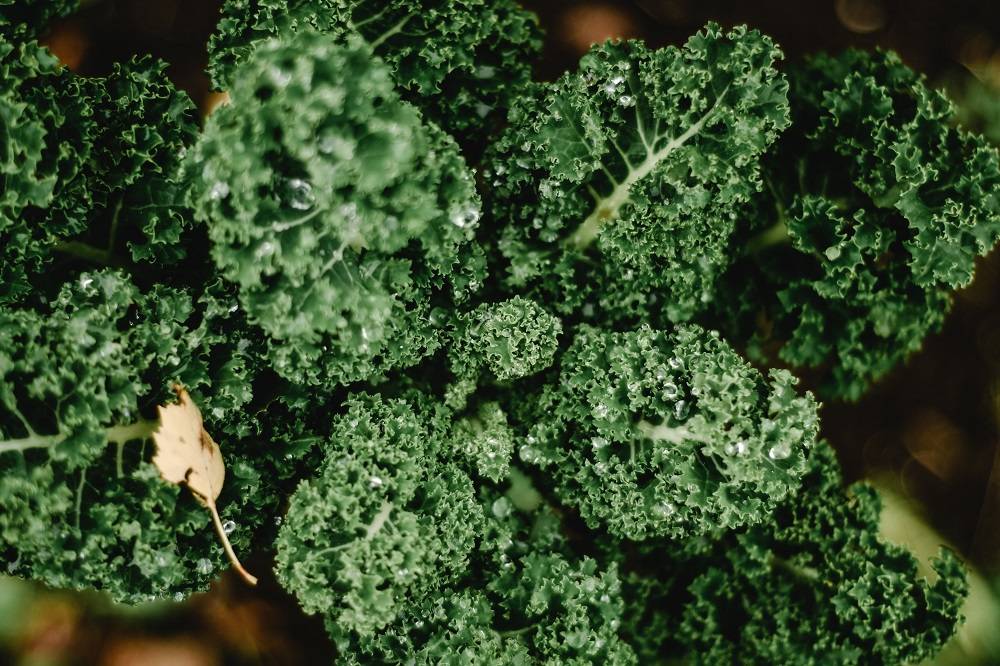
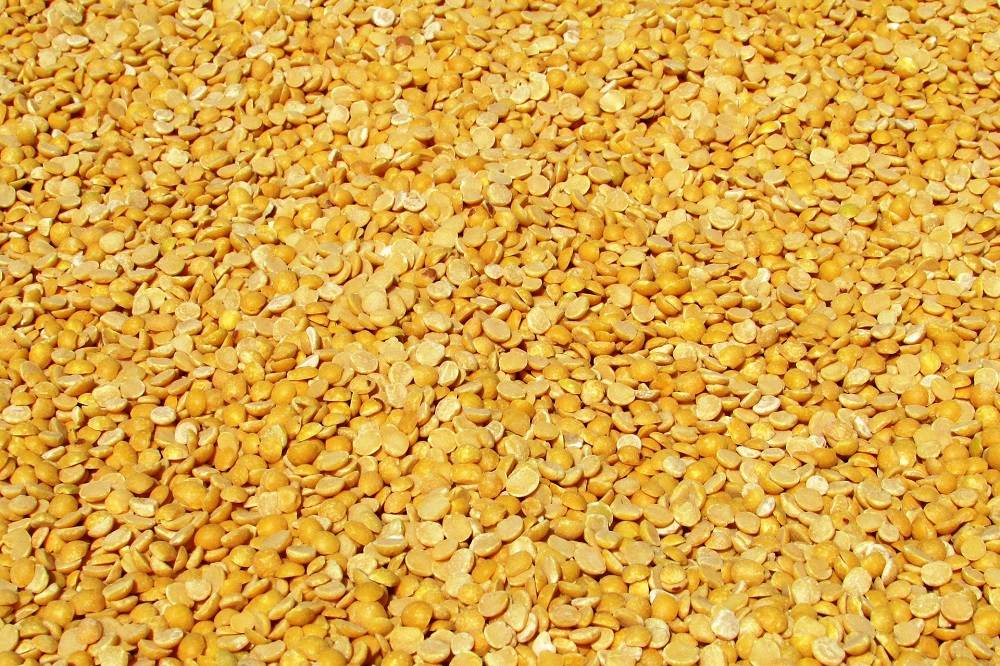
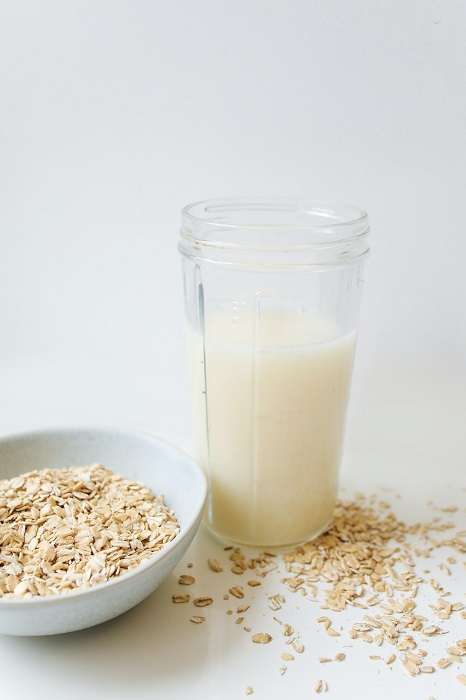
Plant-Based Milks
In today’s day and age, there are plenty of other plant-based protein sources in the form of milk. From smoothies to baked goods to drinking them plain, there are endless opportunities to incorporate these high-protein plant milks. Don’t be afraid to get creative! Some of the highest-protein options include:
- Soy milk (8 grams of protein in one cup)
- Oat milk (4 grams of protein in one cup)
- Hemp milk (4 grams of protein in one cup)
- Pea milk (7 grams of protein in one cup)
- Flax milk (3 grams of protein in one cup)
You can purchase these at the grocery store, or make your own homemade plant milk if you’re feeling ambitious. While this takes a little extra time and effort, it’s often cheaper than purchasing plant milk from the store, especially if you drink a lot.
Frequently Asked Questions

What is the best plant-based protein source for vegans?
Can vegetarians and vegans get enough protein without meat?
How much protein do vegans and vegetarians need per day?
Which plant-based foods are complete proteins?
Quinoa, edamame, chia seeds, pea protein powder and soy products are complete plant proteins, meaning each one contains all nine essential amino acids the body cannot produce on its own. Most other plant proteins, including lentils, beans and green peas, are missing one or more essential amino acids individually, but combining them with grains like rice or oats over the course of a day provides the same complete amino acid profile.

Boost Your Intake With These Plant-Based Protein Sources
Meeting your body’s protein requirements as a vegan or vegetarian can take a little extra time and thought. If you don’t have the time or energy to tackle meal planning yourself, let Youfoodz help. Enjoy chef-prepared meals that are nutrient-rich and packed with flavour. Check out our latest delicious high-protein meals. Explore Youfoodz Meals. Your body (and your taste buds) will thank you.