YoufoodzIconChevronRightSmallBlogIconChevronRightSmallBest High Protein Meal Ingredients


Protein is arguably the most important macronutrient in your diet. While it’s often associated with bodybuilders and athletes, protein is an essential part of everyone’s diet. When you eat protein, it’s broken down into amino acids, which are the building blocks of our cells. Your body then uses them to build and repair tissues, produce enzymes and hormones, and support a healthy immune system. When we say protein is essential, we mean it.

However, incorporating enough protein into your daily meals, especially when you're juggling a busy schedule, can be a real challenge for many people. Whether you're a busy professional, a fitness enthusiast, or just someone looking to experience the benefits of a high-protein diet, meal delivery may be your best choice for achieving your health and fitness goals.

Let's dive into these ingredients and start your journey toward a healthier, protein-powered lifestyle.
1. Chicken
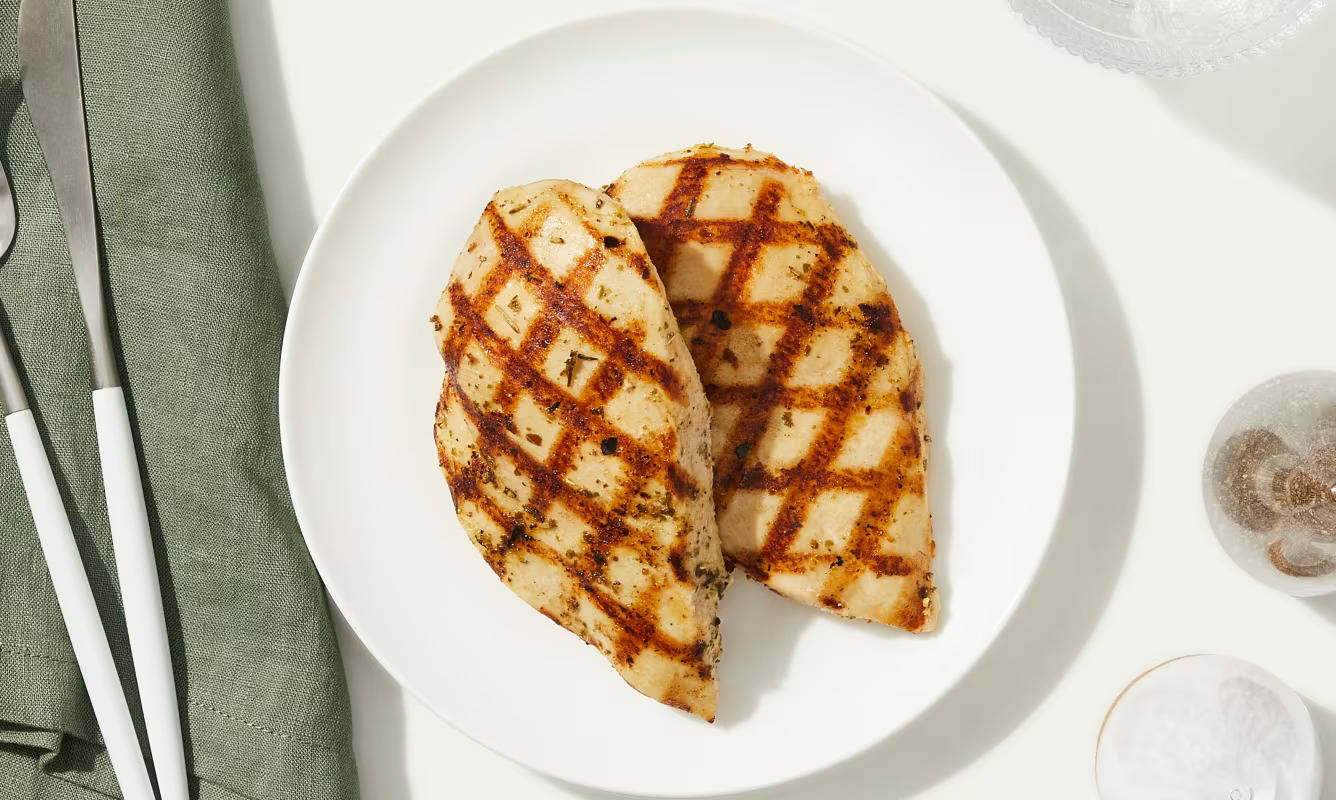
A 3.5-ounce serving of cooked chicken breast provides approximately 31 grams of protein. Chicken is a highly versatile protein source in a variety of meals all around the world. From the classic roast chicken of Western cuisine to the spicy chicken curries of Indian cuisine and the chicken stir-fries of Asian cuisine, chicken's mild flavour and adaptable texture make it a universally beloved ingredient. The high protein content helps support muscle growth and repair, which is essential for those engaging in regular physical activity.
2. Beef
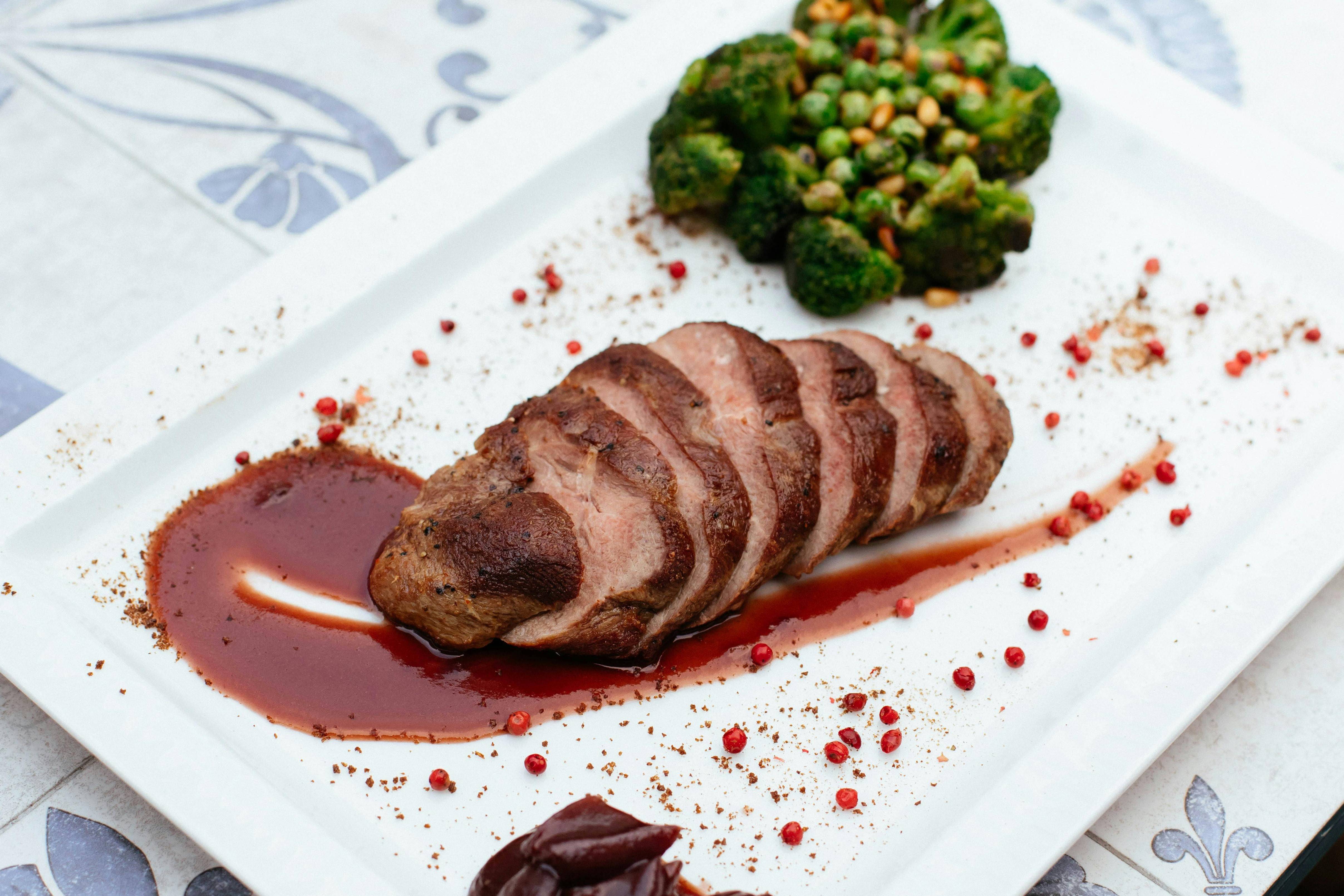
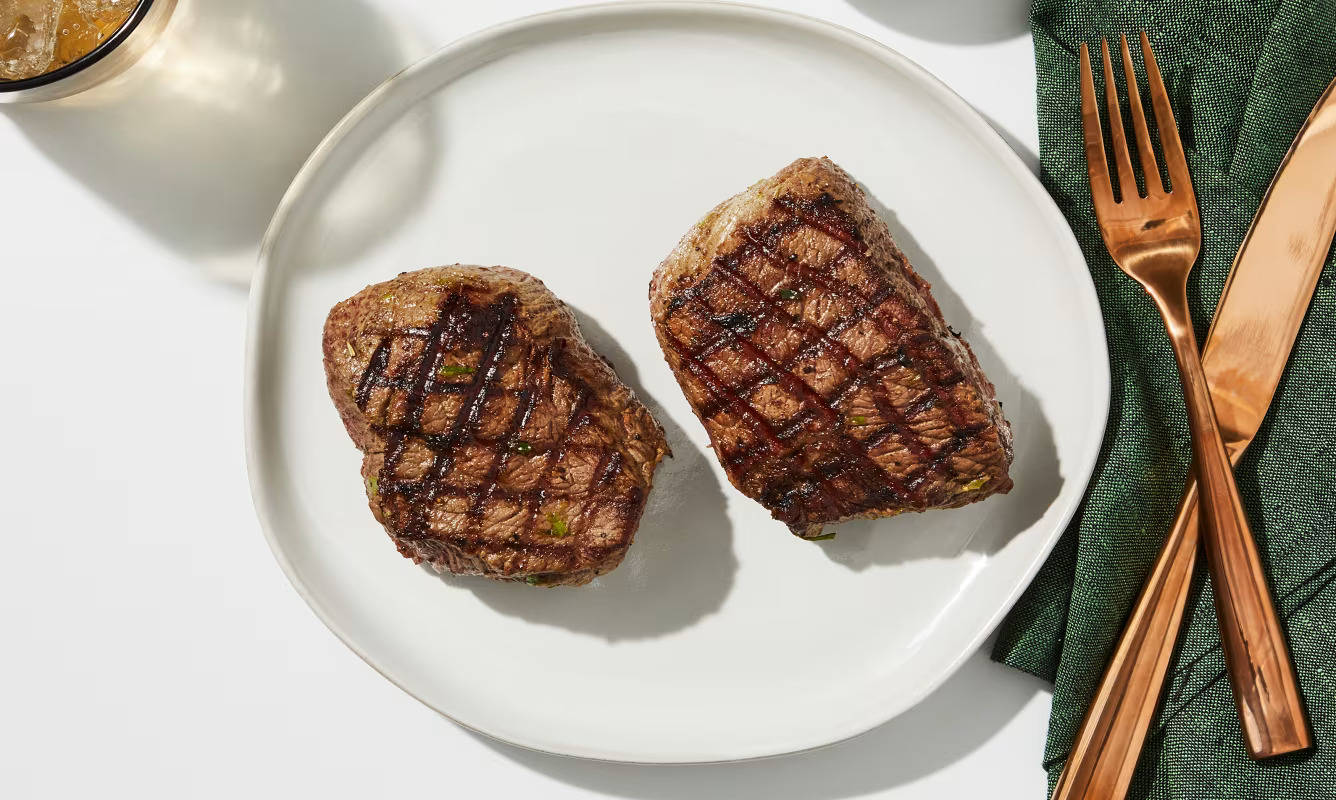
A 3.5-ounce serving of lean beef provides about 26 grams of protein. Beef is celebrated worldwide for its rich, robust flavour and satisfying texture. It forms the backbone of many global dishes, from Ireland's hearty beef stews to Argentina's succulent steaks. Beef is particularly rich in vitamin B12, which is essential for nerve function and the creation of red blood cells. However, it’s especially beneficial for muscle building and recovery. Not only does beef contain a high amount of protein, but it also contains creatine and carnosine. These two compounds are known to support muscle performance.
3. Salmon
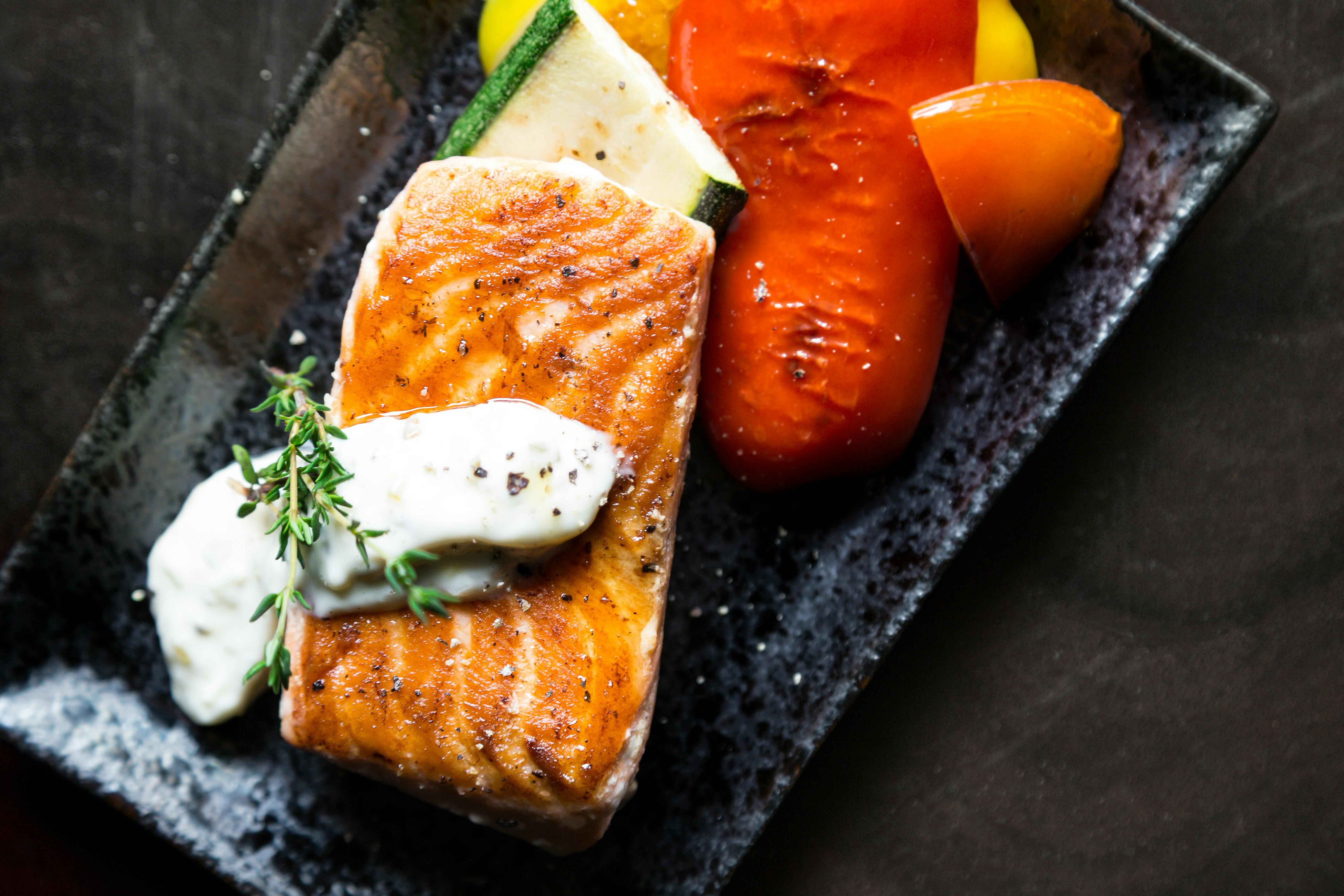
A 3.5-ounce serving of cooked salmon delivers around 22 grams of protein. Salmon is renowned for its luxuriously rich flavour and tender, flaky consistency. As a fixture in diverse cuisines worldwide, it's savored in forms from the smoked variety in Scandinavian dishes to the raw, fresh slices in Japanese sashimi. Salmon is rich in vitamin D, which can bolster bone health and encourage muscle development. Additionally, the omega-3 fatty acids abundant in salmon are instrumental in supporting cardiovascular health, reinforcing salmon's role as an essential component of a well-rounded diet.
4. Pork
A 3.5-ounce serving of cooked lean pork provides approximately 25 grams of protein. Whether it's the succulent pulled pork at American barbecues, the hearty pork sausages in German fare, or the sweet and savory char siu in Chinese cuisine, pork's distinctive flavour and adaptability make it a fundamental ingredient across diverse dishes. The ample protein content of pork supports your muscles, while its significant thiamine content fosters energy production, supporting overall vitality. Also, the selenium in pork facilitates efficient thyroid function, a crucial factor for maintaining a robust metabolism.
5. Turkey
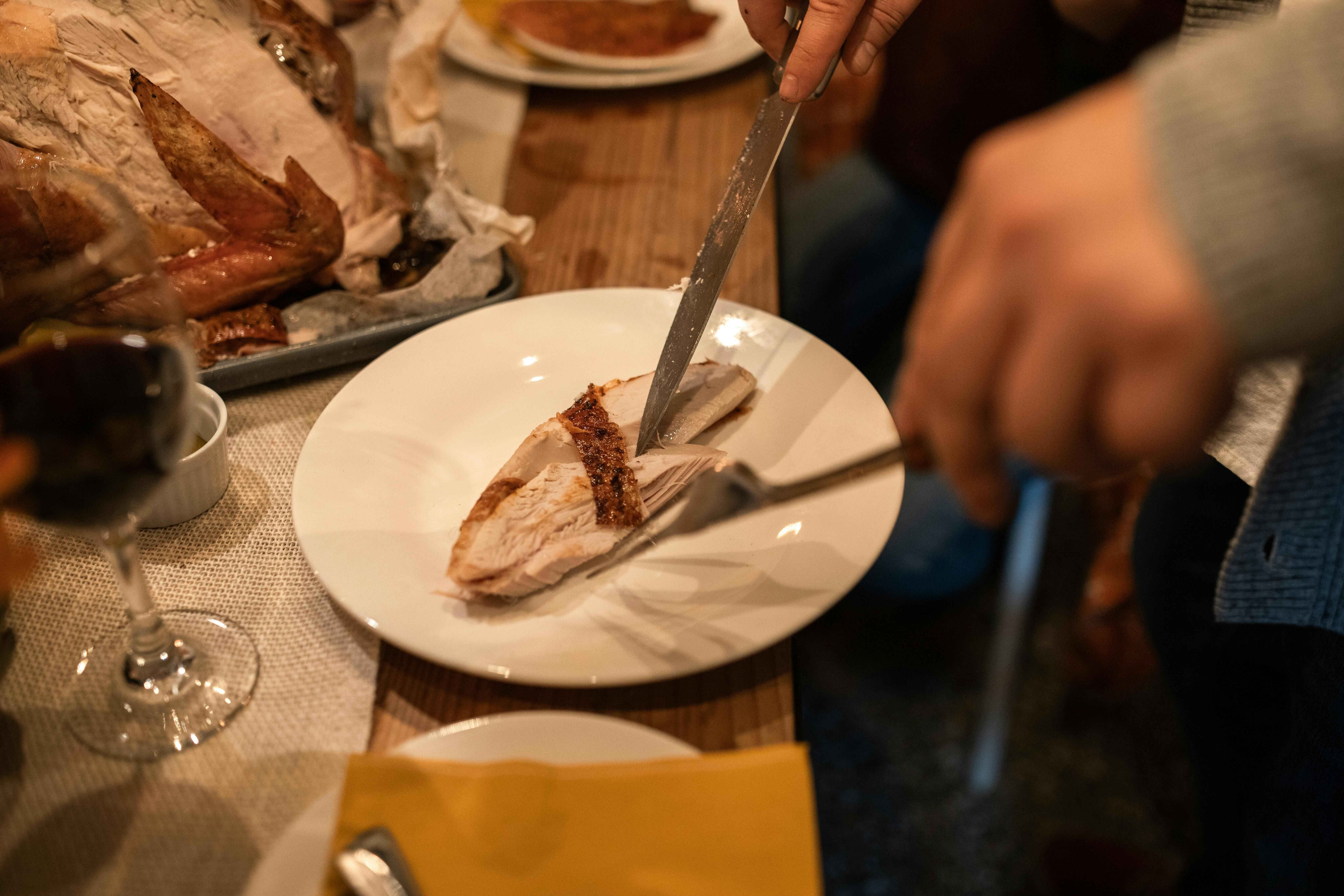
A 3.5-ounce serving of cooked turkey breast delivers around 30 grams of protein. Turkey is lauded for its lean quality and is a favored choice in many meals, from the traditional Thanksgiving feast to the humble sandwich and salad. Turkey's lean nature makes it an excellent choice for those seeking high-quality protein without the high fat content typically associated with other meats.
6. Tofu
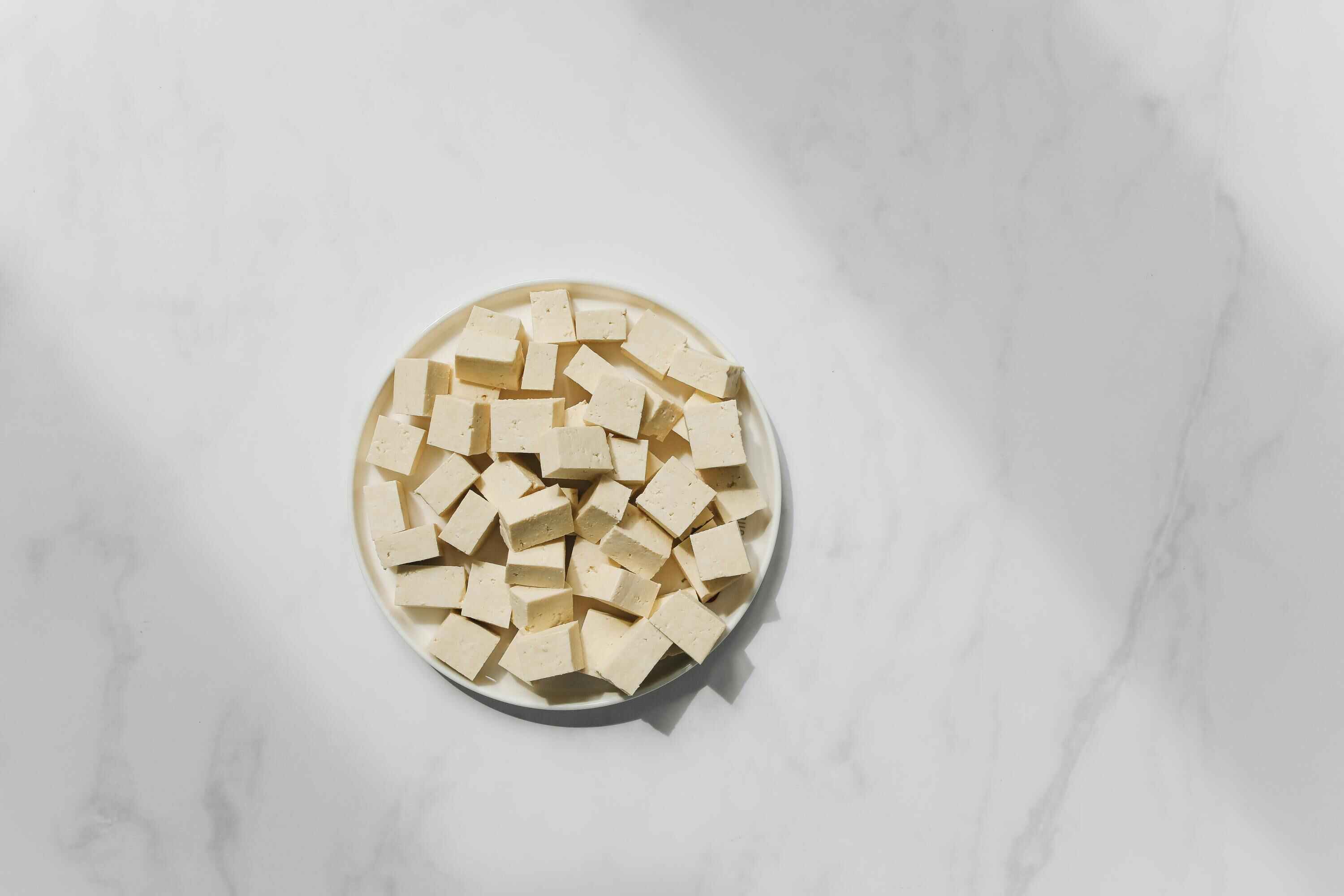
A 3.5-ounce serving of firm tofu contains around 8 grams of protein Tofu is a versatile ingredient that takes centre stage in many plant-based meals. Its mild flavour and adaptable texture make it a favored choice in a medley of dishes, from vibrant stir-fries and comforting soups to nourishing smoothies and inventive desserts. The high calcium content of tofu helps fortify bone health, while its iron content aids in energy production. This makes tofu a highly nutritious addition to any diet, particularly for those embracing a plant-based lifestyle.
7. Prawn
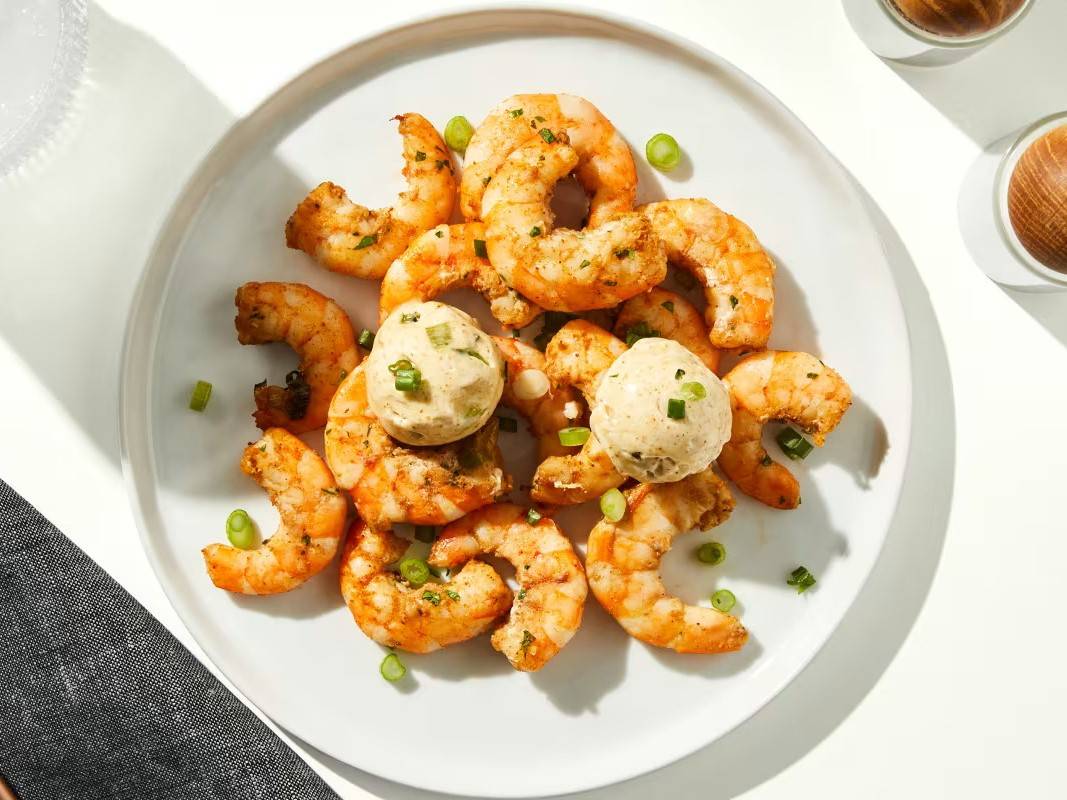
A 3.5-ounce serving of cooked prawn offers about 24 grams of protein. Prawn, with its unique, slightly sweet flavour and firm, satisfying texture, is a cherished ingredient in many global cuisines. From the hearty prawn gumbo of Southern American cooking to the spicy prawn curries of Indian cuisine, shrimp's distinctive taste lends a delightful edge to a variety of dishes. Eating prawn can support your nerve function due to its vitamin B12 content. Its high phosphorus levels enhance bone health. Additionally, prawn is low in calories and fat, making it an excellent choice for those managing their weight or pursuing a lean protein diet.
8. Cheese
A 1-ounce serving of cheddar or mozzarella has 7g protein, feta has 4g protein and blue cheese has 6gs protein. A 1-cup serving of low-fat cottage cheese provides a whopping 28 grams of protein. Cheese is a remarkably diverse food, with hundreds of varieties gracing tables worldwide. From the creamy, decadent brie of France to the robust, sharp cheddar of England, cheeses offer a spectrum of textures and flavours that can elevate any meal. While cheese doesn’t have the same protein content as other options on this list, it can provide enough to ensure you’re reaching your recommended daily value.
9. Eggs
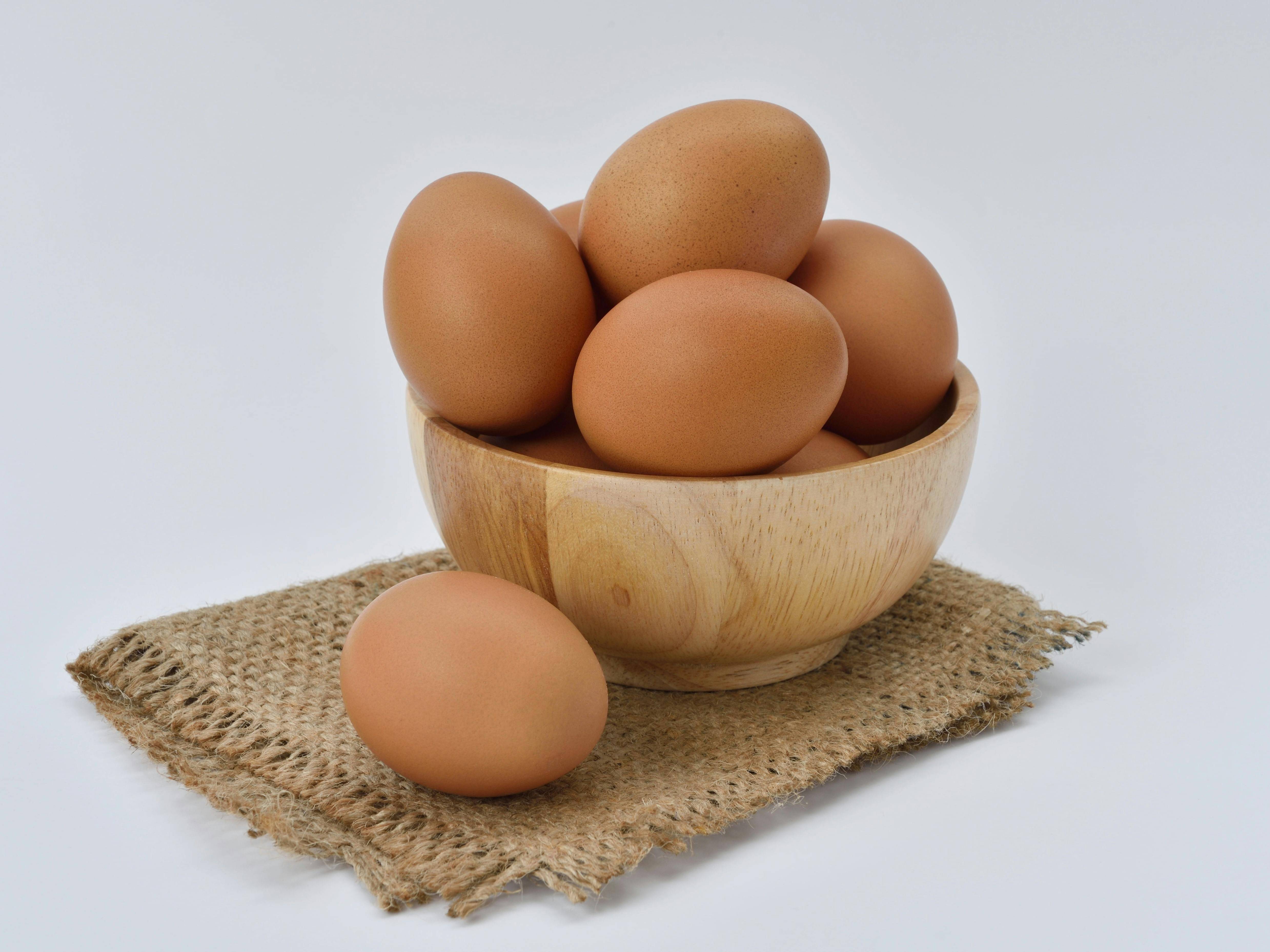
A single large egg contains about 6 grams of protein. The versatility of eggs is quite impressive; they're a key component in a wide array of both sweet and savory dishes. From the breakfast table featuring fluffy omelets and robust frittatas to the dessert tray adorned with moist cakes and silky custards, eggs are a foundational ingredient in countless recipes across various cuisines. In addition to their protein content, eggs are a rich source of choline, a nutrient instrumental in supporting brain health and cognitive function. They also contain the antioxidants lutein and zeaxanthin, which are known to promote eye health and help protect against age-related macular degeneration.
10. Quinoa
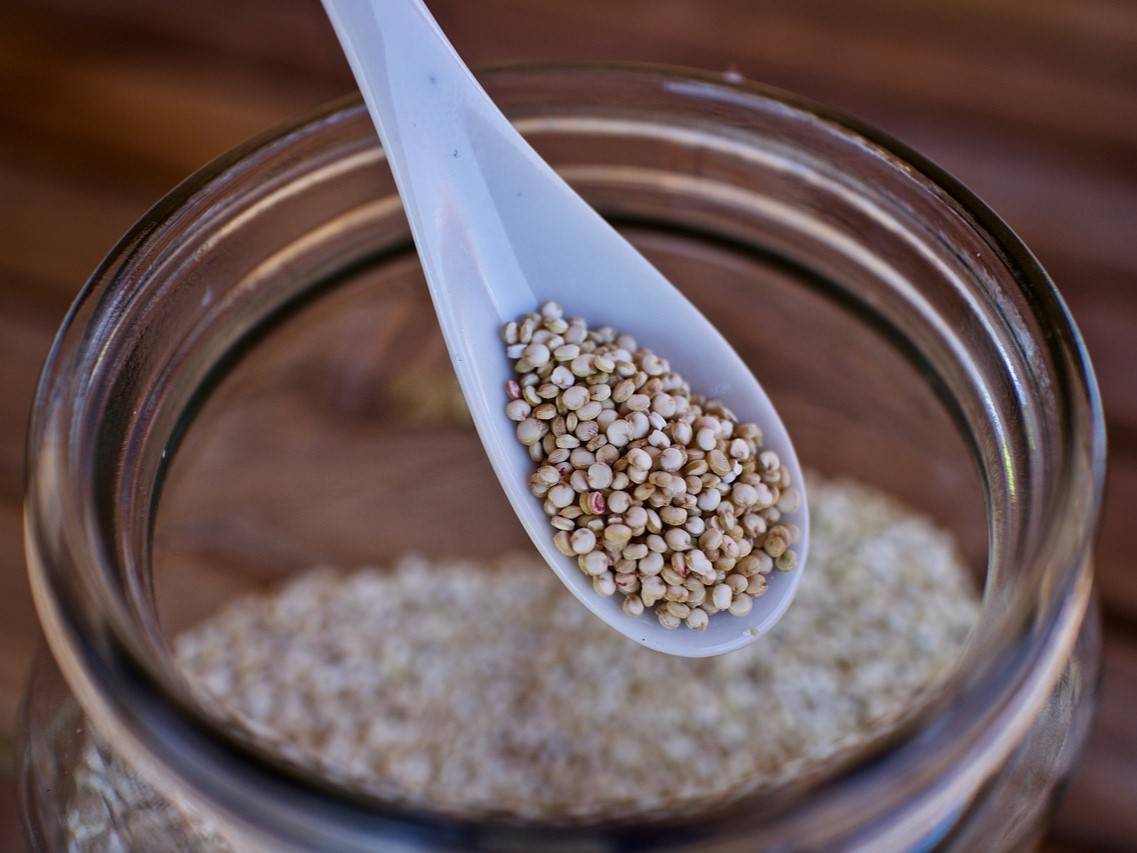
A one-cup serving of cooked quinoa provides about 8 grams of protein. Quinoa, with its slightly nutty flavour and pleasing, chewy texture, adds a unique touch to a variety of meals. Whether it's mixed into vibrant salads, used as the base for nutrient-packed bowls, or served as a hearty side dish, quinoa brings both flavour and nutrition to the table. Beyond its protein content, quinoa boasts a high fiber content that supports digestive health, aids in weight management, and helps control blood sugar levels. Its rich magnesium content plays a crucial role in numerous bodily functions, including muscle function, heart rhythm, and blood sugar control.

Frequently Asked Questions

What are the best high-protein foods?

Lean meats such as chicken breast and turkey, seafood like salmon and shrimp, and plant-based options such as tofu and quinoa are all excellent high-protein choices. Each brings a different mix of protein, healthy fats and micronutrients, so rotating between animal and plant sources is a practical way to meet your protein needs while keeping meals varied.

How much protein do I need per day?
Protein needs depend on body weight, activity level and goals, but the Australian Dietary Guidelines recommend including a source of lean protein at most meals as part of a balanced diet. An Accredited Practising Dietitian can calculate a target specific to your age, activity level and health goals.

Is plant-based protein as good as animal protein?

Plant-based proteins like tofu and quinoa provide valuable protein along with fibre, though most are lower in protein per serving than meat, fish or eggs. Combining a variety of plant sources across the day, alongside wholegrains and legumes, can help you meet your protein needs on a plant-based or flexitarian diet.
Which high-protein foods are lowest in fat?

Turkey breast, chicken breast, shrimp and firm tofu are among the leanest high-protein options, offering a strong protein-to-fat ratio. Cooking method matters too: grilling, baking or steaming keeps these ingredients lower in added fat compared with frying.

Can meal delivery help me hit my protein goals?

Yes, portion-controlled meal delivery removes the guesswork of weighing and tracking protein at each meal. Look for a dietitian-approved service that clearly labels protein content per meal so you can match meals to your daily target.

Healthy Eating, Made Simple


Want these ingredients without the meal prep? Explore Youfoodz Meals for chef-prepared, high-protein options delivered across Australia.