

Plant-Based Protein Sources
But here's the real kicker: even people without these conditions are choosing to remove the gluten-containing grains from their lives. Why would they go through the trouble if they didn’t have to? Well, that’s what we’re going to talk about today. We're here to cut through the buzz and give you straightforward, honest information about the benefits of a gluten-free diet. Trust us, it's worth considering.</p
What Is Gluten and Who Should Be Concerned About It?
You've probably heard the term thrown around in health and wellness circles, but what exactly is it?
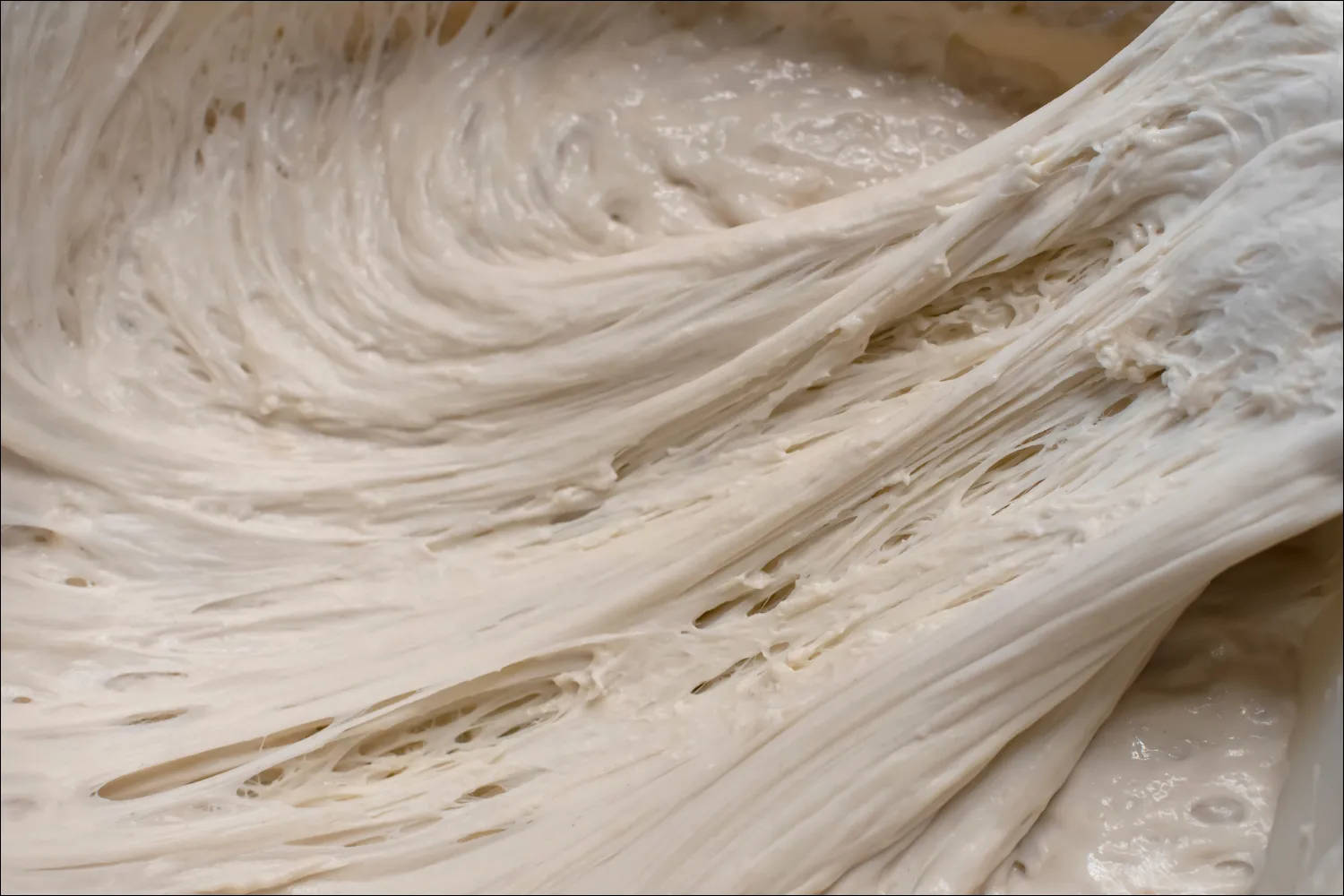
Gluten is a Type of Proteinfound in grains such as wheat, rye, and barley. It's what gives dough its elastic texture and helps bread rise. For some people, their immune systems see gluten as a foreign invader and react in ways that can be downright unpleasant.**Let’s break down these various health conditions a little further.
5 Health Benefits of a Gluten-Free Diet
Whether you're considering a gluten-free lifestyle due to a medical condition or you're just eager to see if it might boost your overall wellness, there's plenty to consider.
Here are a few of the potential benefits that you might experience if you stop eating gluten:
A gluten-free diet can do wonders for your gut health, whether you have a gluten-related disorder, irritable bowel syndrome, or no stomach concerns at all. Gluten can cause tension in the gut, leading to discomfort, bloating, and other digestive issues. By eliminating gluten, you may soothe this tension, leading to supported digestion and overall gut health. A healthy gut is also linked to a stronger immune system, better mood, and heart health.
2. Maintains Energy Levels
Ever feel like you're in a brain fog? A gluten-free diet might help clear that up. As we mentioned earlier, gluten can cause tension in the body, which some studies suggest may also affect your brain. As a result, it can lead to symptoms like difficulty concentrating or feeling mentally "foggy." While more research is needed, many people report good mental concentration and clarity when they remove gluten from their diet.
How Can You Successfully Transition to a Gluten-Free Diet?
Adopting a gluten-free diet is far from impossible, but it will require making several significant lifestyle changes. It’s not just about identifying certain foods and eliminating them from your diet but embracing new foods you might have been ignoring.
Here are a few tips that can help you as you make the transition to a life that’s free from gluten:
Eliminate Gluten
The first step is to focus on eliminating all gluten-containing foods from your diet. That includes anything that features wheat flour, spelt, rye, barley, and triticale. Unfortunately, these are particularly common ingredients, so it might take a while to go through your pantry and refrigerator.
Check Labels
Don’t just look into the obvious foods either; gluten can hide in all kinds of unexpected foods, including soy sauce, beer, chips, deli meats, dairy product substitutes, canned soups, and even candy. Going gluten-free means having to check every label all of the time.
Now, that doesn’t mean that you’re resigned to eating an endless cycle of salads and a total ban on grains. There’s actually a wide variety of tasty, gluten-free grain options available. Nutrient-dense grains like quinoa, buckwheat, millet, and tapioca are naturally gluten-free and offer a delightful alternative.
Try Gluten-Free Products
Keep an Eye on Nutritional Deficiencies
It’s important to note that going gluten-free can present challenges from a nutritional perspective. Gluten-free diets tend to increase the risk of deficiencies in B vitamins, calcium, fibre, folate, and more.
You can prevent experiencing such deficiencies, but it will take a concentrated effort. For instance, eating more legumes can give you enough of these nutrients and help stave off a potential deficiency. On the other hand, you could embrace the world of supplements to help ensure you get all the necessary vitamins and minerals.
With the right preparation and research, your journey into a gluten-free lifestyle can be fairly smooth. Seek out restaurants with gluten-free menus, always double-check food labels, and maintain a list of reliable gluten-free brands. If you’re unsure of anything, consulting an Accredited Practising Dietitian (APD) might be worth it to ensure your non-gluten diet is still balanced and healthy. With the right knowledge and tools, your transition into a gluten-free lifestyle can be smooth and rewarding.
Frequently Asked Questions

Is a gluten-free diet good for weight loss?
What are the first signs I should consider trying a gluten-free diet?
Can eating gluten-free cause nutrient deficiencies?
Yes, a poorly planned gluten-free diet can increase the risk of deficiencies in fibre, B vitamins, calcium, iron and folate, since many fortified breads and cereals are removed from the diet. This risk can be managed by eating a wide variety of naturally gluten-free wholefoods, including legumes, nuts, seeds, dairy and gluten-free grains like quinoa and buckwheat. Choosing fortified gluten-free products where available also helps close the gap. If you’re concerned about your nutrient intake, an APD can review your diet and recommend supplements if needed.
Do I need to see a dietitian before going gluten-free?
What foods should I avoid on a gluten-free diet?
Avoid foods made with wheat, rye, barley and triticale, including regular bread, pasta, cereal, beer and most baked goods. Gluten also hides in less obvious products like soy sauce, gravies, processed deli meats, and some dairy alternatives, so checking ingredient labels is essential. Naturally gluten-free wholefoods, such as rice, quinoa, potatoes, fruit, vegetables, legumes, eggs, and fresh meat and fish, can safely replace these staples. Packaged gluten-free products are convenient but should still be checked for added sugar and sodium content.
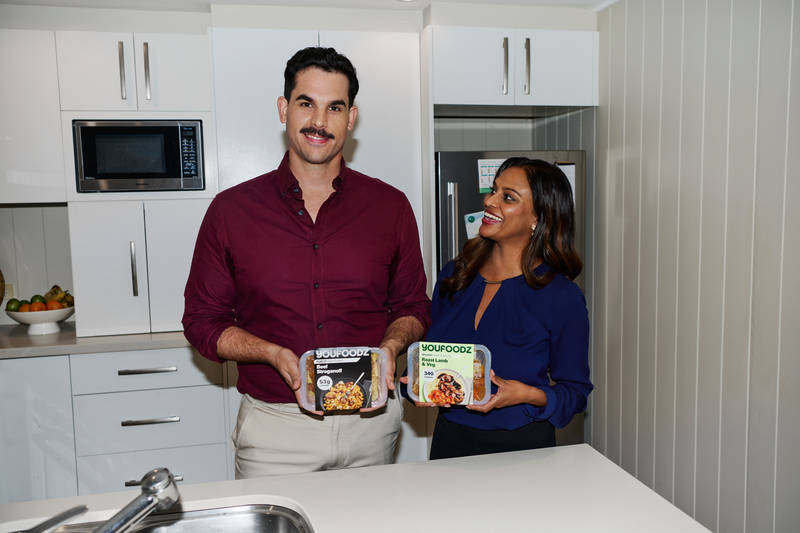
Healthy Eating, Made Simple
Ready to make gluten-free eating easier? Explore Youfoodz Meals and discover chef-prepared, dietitian-backed options delivered fresh across Australia.